Introduction
L’Aber Wrac’h is the best known and busiest of the abers of north Finistère — the rias where the sea reaches inland through a landscape of granite, islets and tides. It is a key port of call on passages between the Channel and the Mer d’Iroise: heading south, it is the last truly sheltered stop before the Chenal du Four and the passage towards Le Conquet, Camaret and the Rade de Brest. Heading north, it is the first shelter after that demanding stretch.
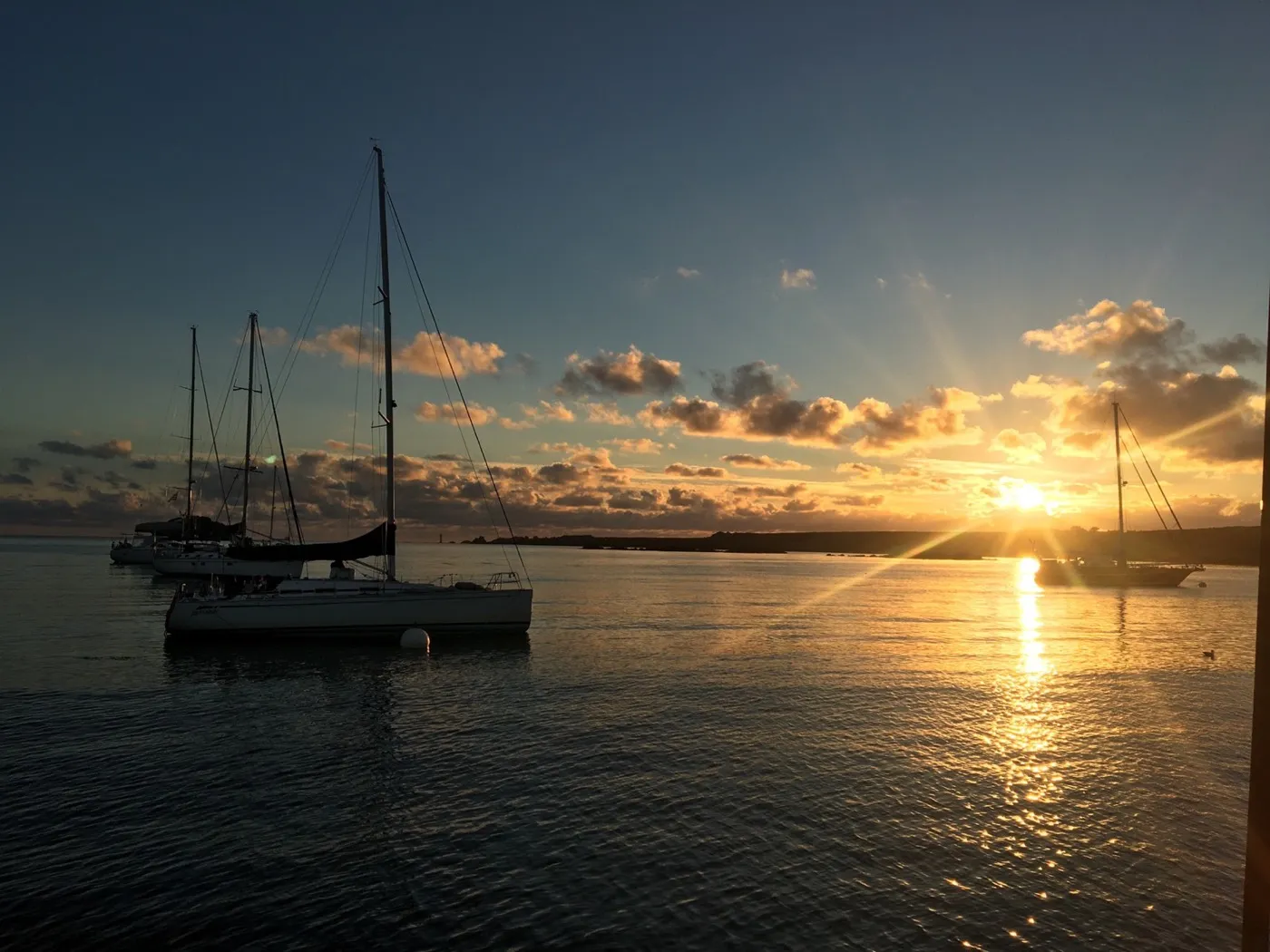
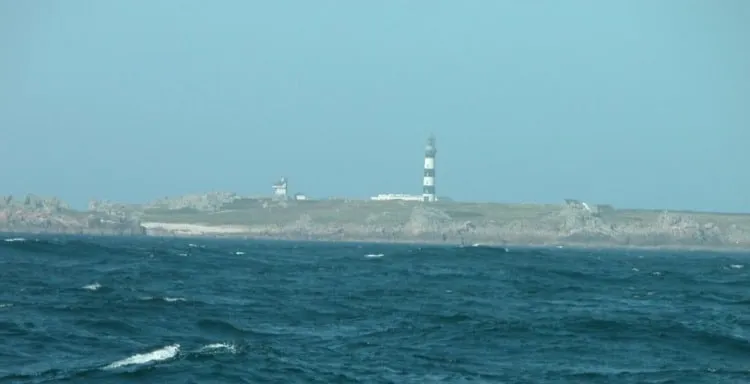
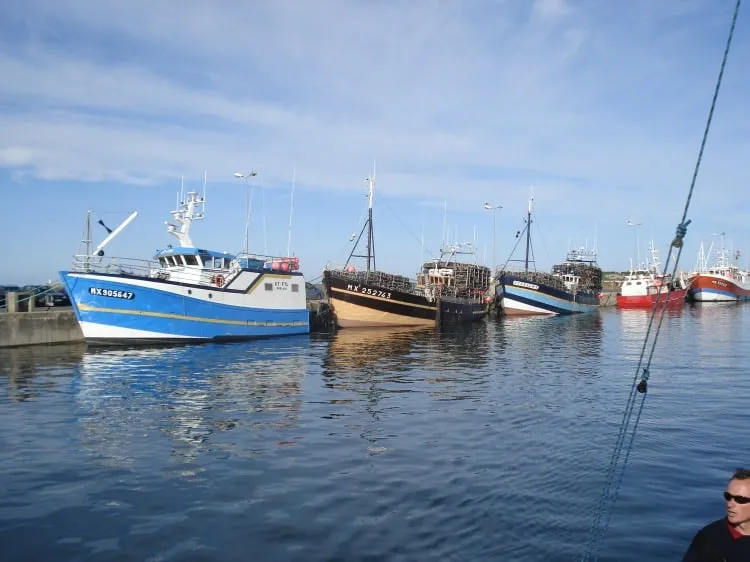
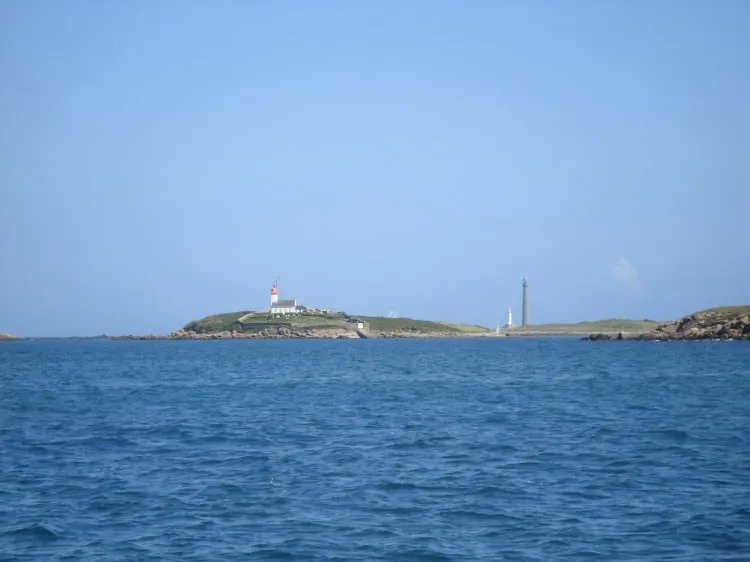
The harbour of L’Aber Wrac’h, overlooked offshore by the Île Vierge and its great lighthouse, is well equipped and popular with visiting yachts. Its setting of granite and quiet anchorages also makes it a pleasant stop in its own right.
Approach & access
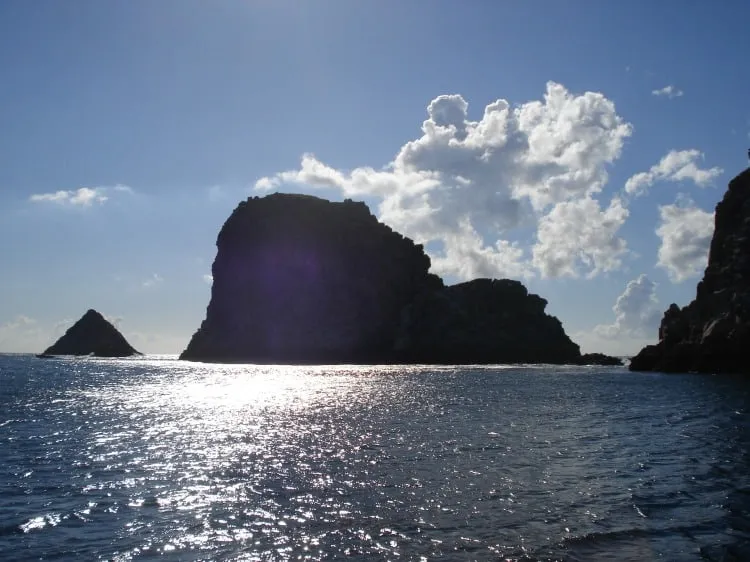
The aber is approached through a buoyed channel between the many reefs that fringe the entrance (notably the Plateau des Libenter). Although well marked, the approach remains tricky in poor visibility or in a westerly swell: follow the marks strictly.
Practical notes — The main issue at this port of call is the Chenal du Four, to the south: a narrow passage along the coast of the Léon with strong tidal streams, which must be taken with a fair stream or at slack water, never against the stream in a fresh breeze. This is why yachts often stop at L’Aber Wrac’h to wait for the right tidal window. The entrance to the aber itself is clear in good conditions but exposed to the westerly swell. Details of berths and tidal stream times to be confirmed (harbour office, tide tables).
Harbour & anchorage
- L’Aber Wrac’h harbour — visitors’ pontoons and mooring buoys, well equipped; the comfortable option for waiting for the tide.
- At anchor — options further up the aber, to be chosen according to the wind and the space available; good holding in settled weather.
Services ashore
- Harbour office, water and electricity on the pontoons; fuel to be checked on site.
- Toilets, showers; some technical services.
- Basic provisioning nearby; shops, restaurants and cafés at the harbour and in Landéda.
Things to see & do
- The Île Vierge lighthouse — the tallest dressed-stone lighthouse in Europe, offshore from the entrance.
- The neighbouring abers — Aber Benoît and Aber Ildut, landscapes of rias and granite.
- The Côte des Légendes and its footpaths — granite, dunes and viewpoints.
- Making good use of the wait for the tide — a chance to prepare the Chenal du Four calmly.
During the course — L’Aber Wrac’h is the pivotal port of call on the Channel–Iroise passage: an approach among the rocks, a considered wait for the tidal window, then the passage of the Chenal du Four southwards. Here you work on planning a passage through strong tidal streams — and on a sailor’s patience.
In pictures