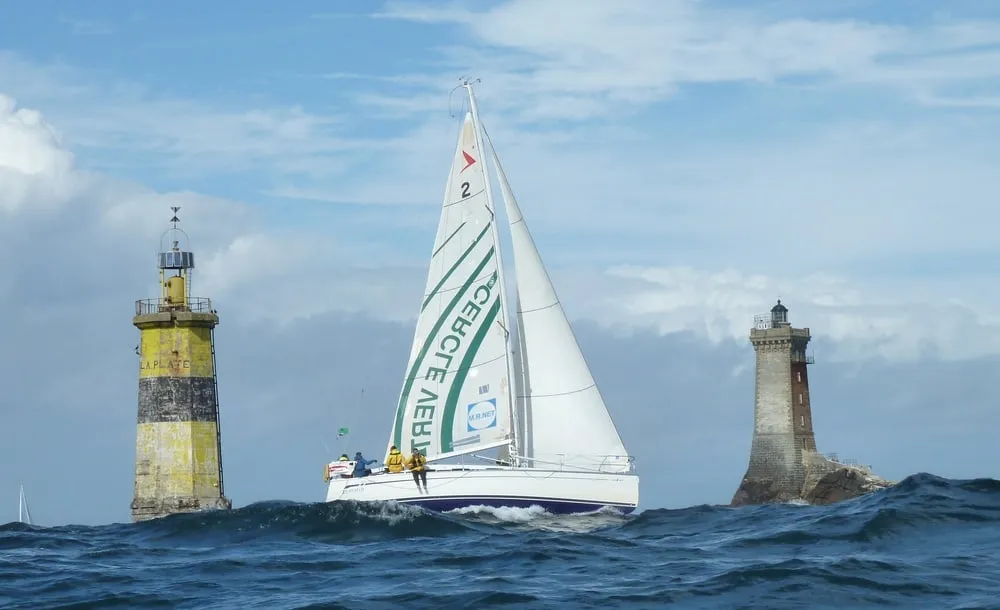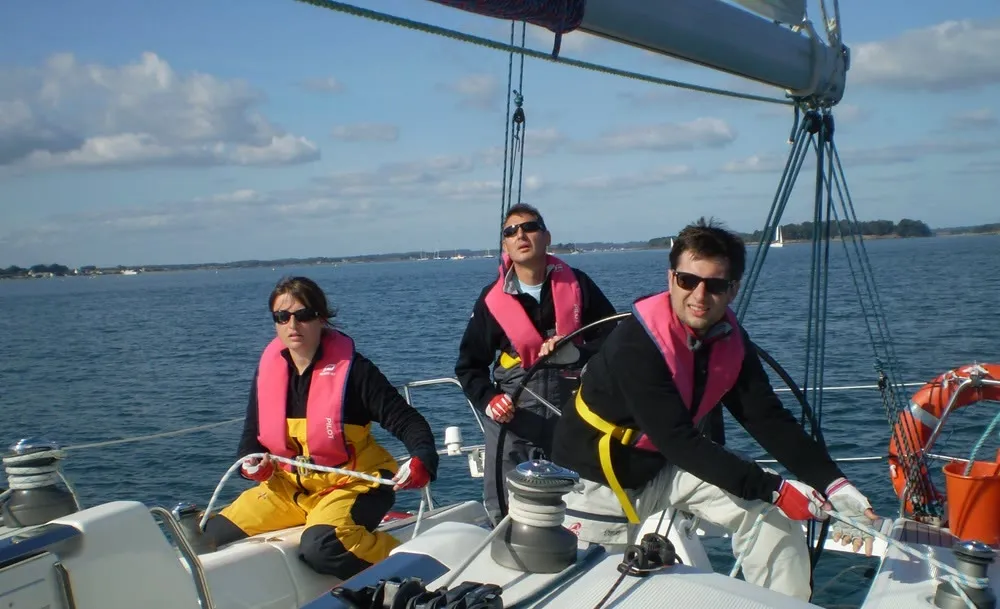
Objectives
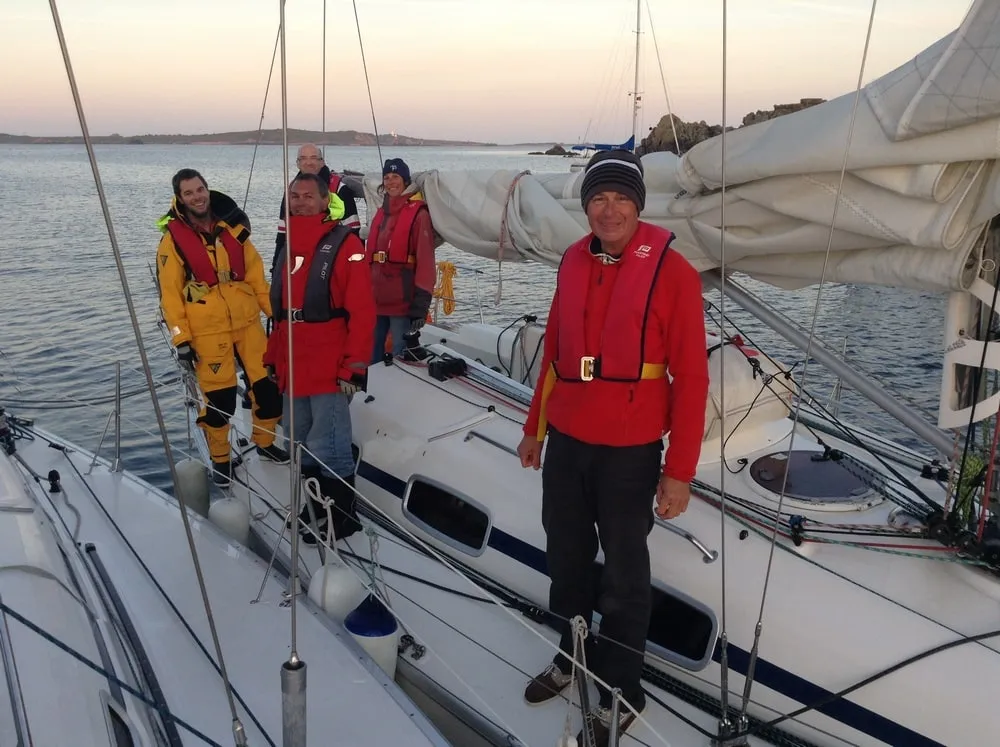
You discover a cruiser-racer with surprising performance: a real pleasure to helm, yet easy to handle. By limiting the course to four trainees (five on our 42-footer), we guarantee the best possible quality of learning. By the end of the course, you will be able to:
- helm on all points of sail (every angle to the wind);
- understand what the skipper asks of you and respond efficiently;
- take part in every manoeuvre on board (sails, reefing, anchoring);
- master the basics of sail trim — we love good sailing;
- approach harbour manoeuvres, so often dreaded, with confidence.
All levels. The coastal cruising course is not tied to one level: beginners, improvers and experienced sailors sail together, and everyone progresses at their own pace from one FFV level to the next. To go on to become an independent skipper, see the skipper training course.
A typical week
Courses start on Saturday at 5 pm and end on Friday at around 3 pm. The programme is adjusted every day to the weather, the tides and your goals.
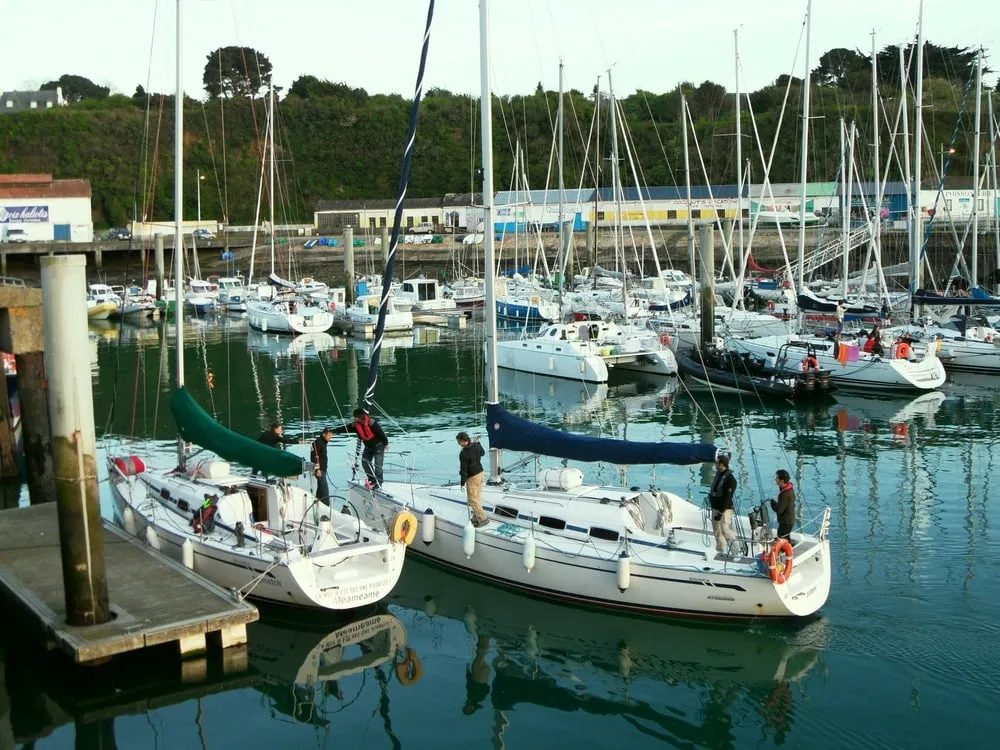
- Saturday, 5 pm — Boarding: welcome on board in Port-Louis (pontoon A), a shopping list drawn up from everyone’s wishes and cooking ideas, food shopping done by the trainees, settling in, then dinner and a talk about the week’s programme.
- Sunday — Getting to know the boat: on deck at 9 am — practical briefing with a tour of the boat and its safety equipment, ropework, useful procedures for leaving the berth and the first manoeuvres. We set off at around 10:30 am.
- Monday to Thursday — Cruising: one or two passages a day, from port to port, depending on the weather and the tides. Harbour manoeuvres, anchoring, fine trim, reading the tidal streams. Life on board as a crew.
- Friday — Review: last sail, back in port around midday, debriefing and an individual review of your progress.
The FFV levels
The levels of the FFV (French Sailing Federation) are a useful reference to see where you stand in your progress:
- Level 1 — competent crew member: understanding what the skipper asks and doing it. Learning the right moves to be technically independent in simple tasks. The rules of the road, buoyage, and an introduction to navigation and tides (at least 1 course).
- Level 2 — all-round crew member: able to work out and helm indirect courses (e.g. beating to windward); aims at independence in preparing the boat for the planned passage and in carrying out manoeuvres in every position with few instructions. Can use navigation tools (tidal streams) and tide tables (heights of tide) and anticipate their effects (experience required: at least 3 courses).
- Level 3 — watch leader: can coordinate manoeuvres under sail and prepare the boat for harbour manoeuvres (experience of and introduction to harbour manoeuvres). Helps to plan a passage; has night-sailing experience. Masters the navigation tools and the regulations, and can anticipate whatever may happen under way. An N3 is an assistant skipper, independent in most roles on board, and can act as skipper in a flotilla with a competent crew (experience required: at least 6 courses).
- Level 4 — skipper: full independence, handling a cruising yacht and its crew safely in all circumstances. Has skills in maintaining and repairing the boat.
Depending on the candidate, an N3 or an N4 can be validated on a flotilla skipper training course. A harbour manoeuvres course is essential before an N4 can be validated.
Does training by FFV levels matter?
It is interesting, but the only level that really counts is N4, for those who want to skipper a boat. Not everyone trains with independence as the goal. A cruising course is much more than a technical sailing level!
Required level
No experience is needed to start: this course welcomes beginners as well as sailors who want to work towards the role of skipper. No FFV licence (French Sailing Federation) is required. Several courses then take you to full independence.
Why train?
In France, sailing requires no licence and rescue at sea is free. Yet lack of training remains a major cause of accidents: not knowing the tides, the tidal streams, the manoeuvres. Training is what turns the sea into a lasting pleasure, enjoyed with confidence.
What the price includes
Included: accommodation on board for the whole course, training by a professional skipper, third-party liability insurance, use of the yacht and its equipment.
Not included: harbour fees, diesel and gas, food for the crew and the skipper (≈ 10 to 15 € / person / day), travel to the departure port.
Discounts: –10 % for a group booking the boat (5 people on the 38-footer, 6 on the 42-footer) · –50 € on request for children, young people, students and job seekers · 30 to 50 % off for a booking made in the week before the course, if only one or two people have signed up.
Supplement: single cabin, 30 %.
Encounters at sea
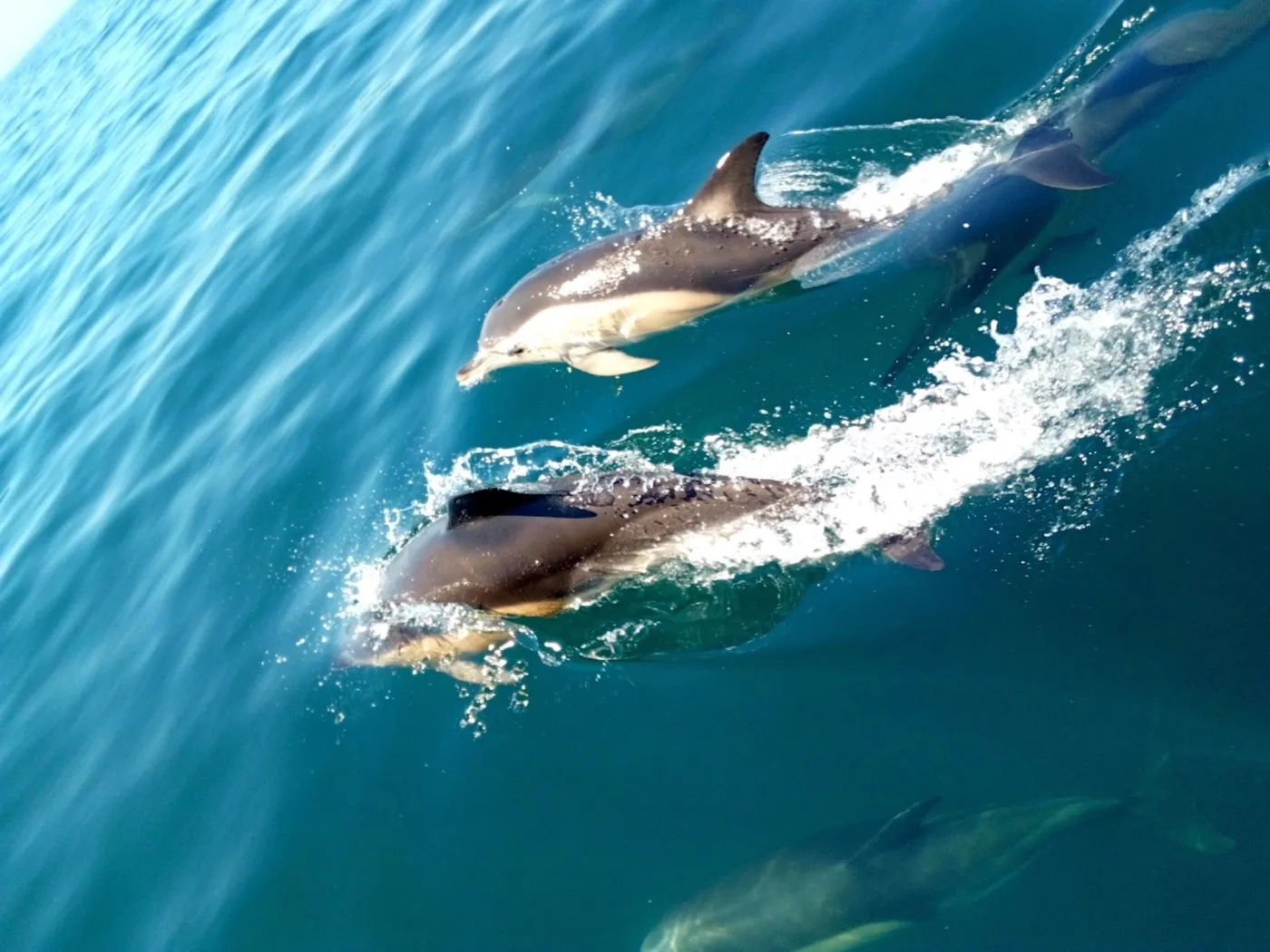
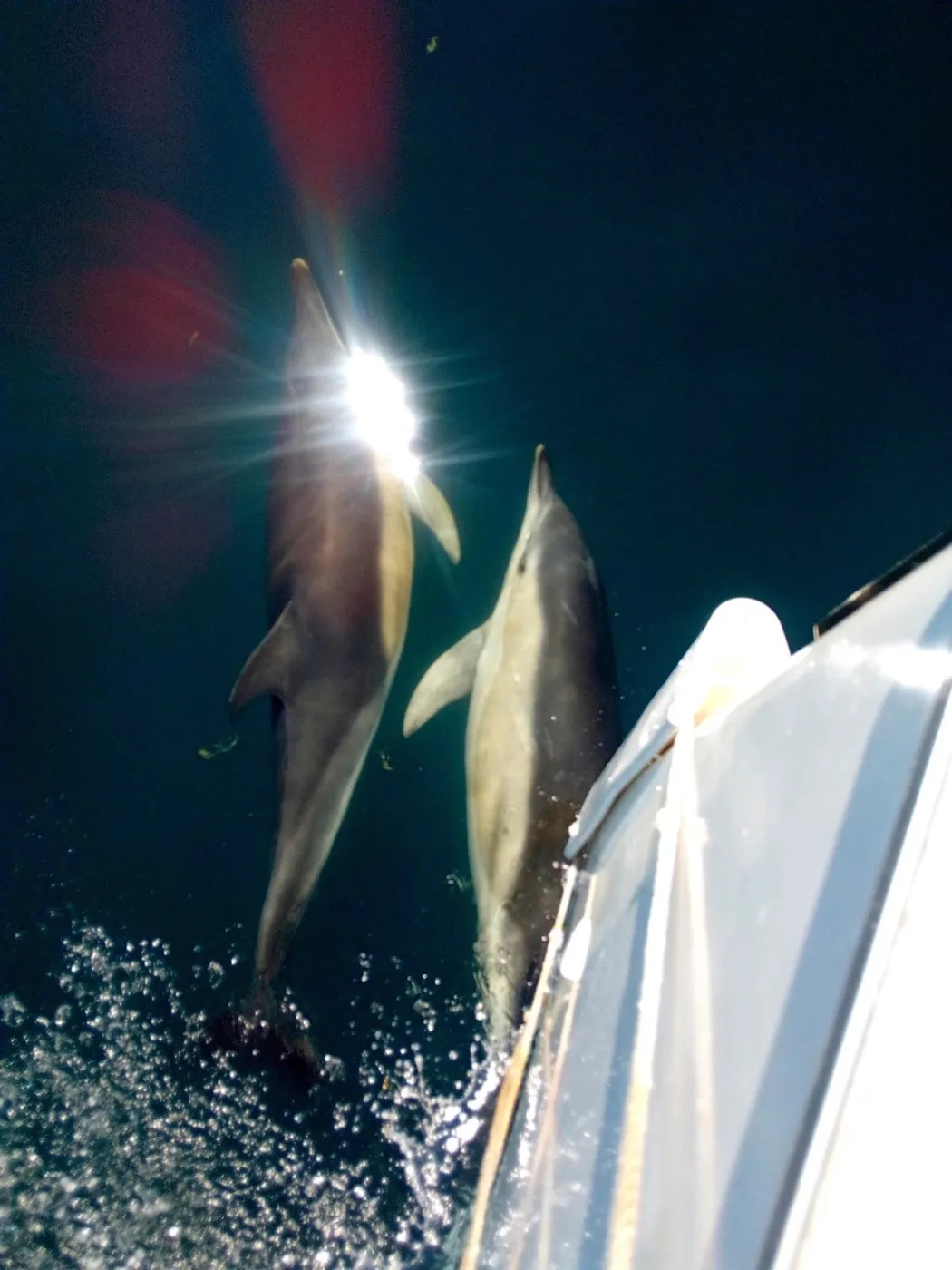
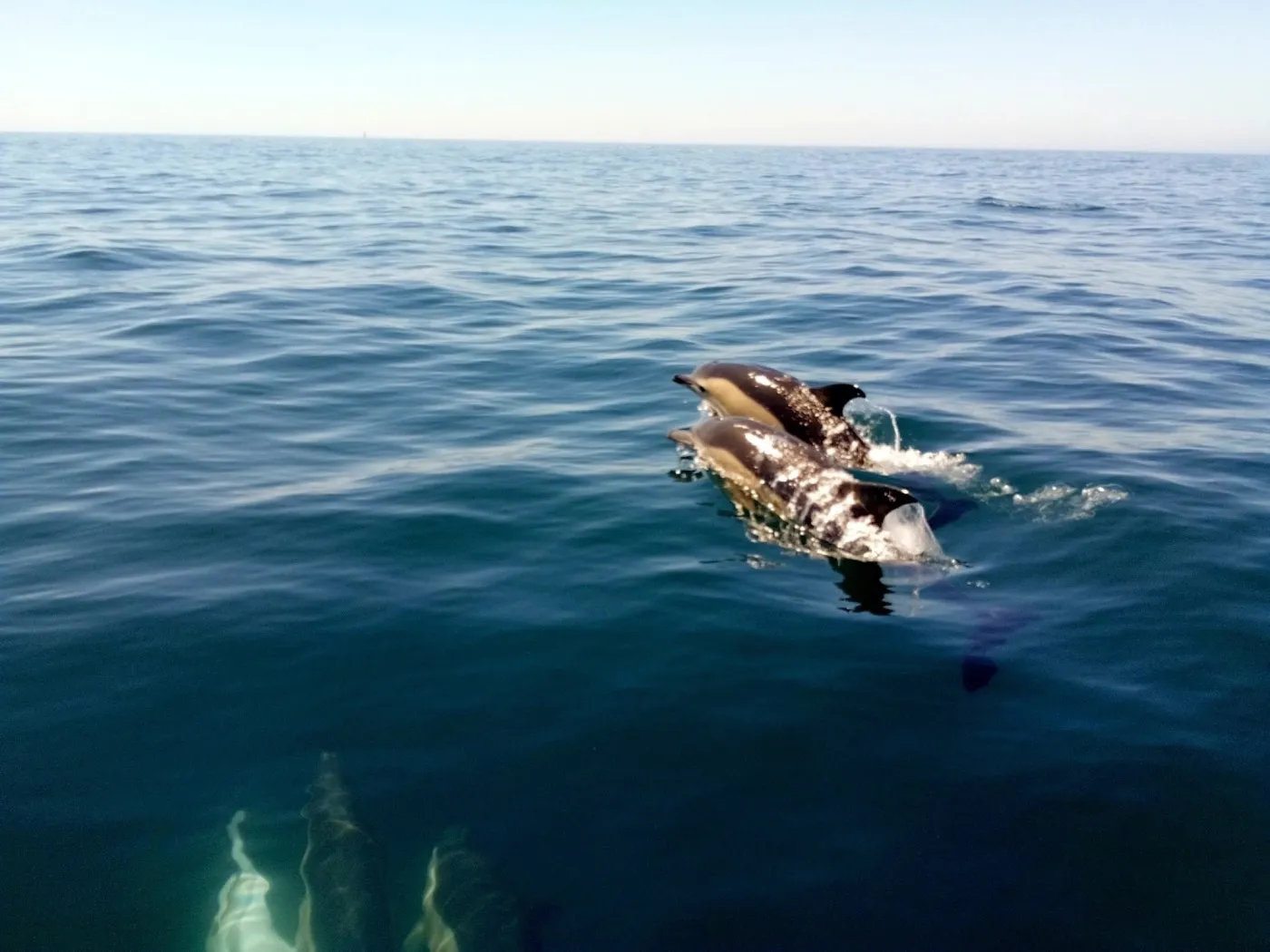
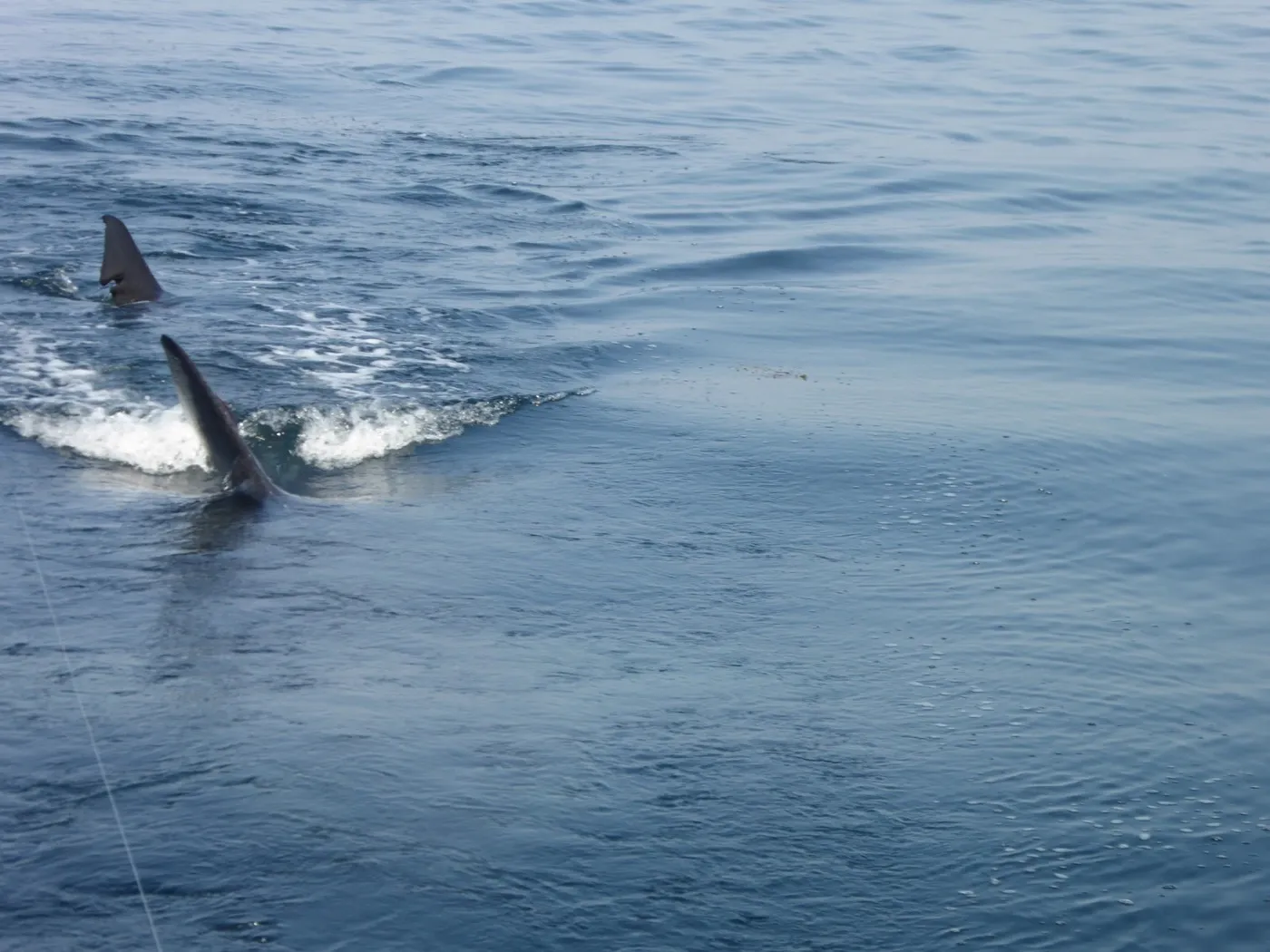
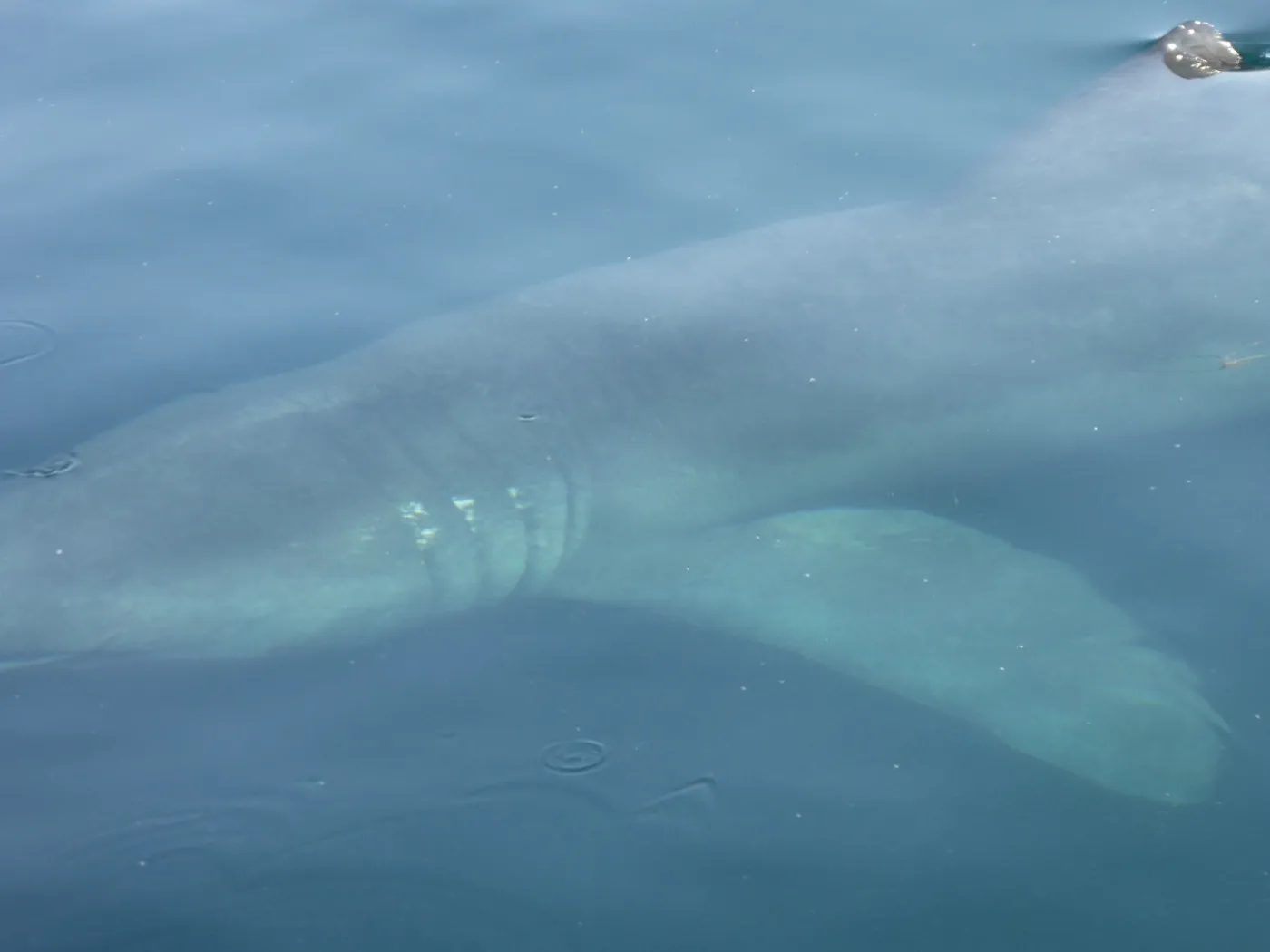
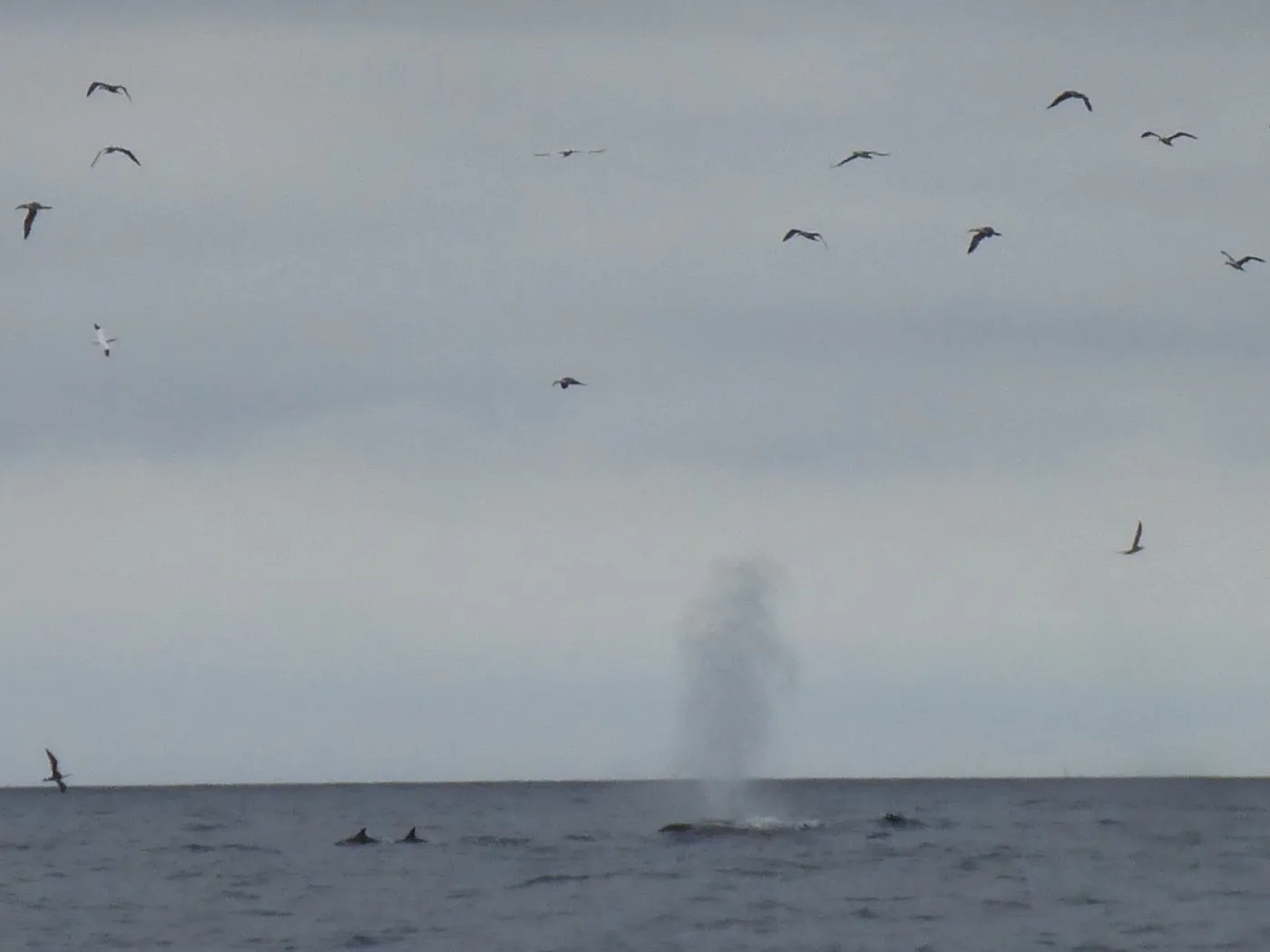
Dolphins, basking sharks, sometimes a fin whale: in Brittany you never sail alone.