Objectives
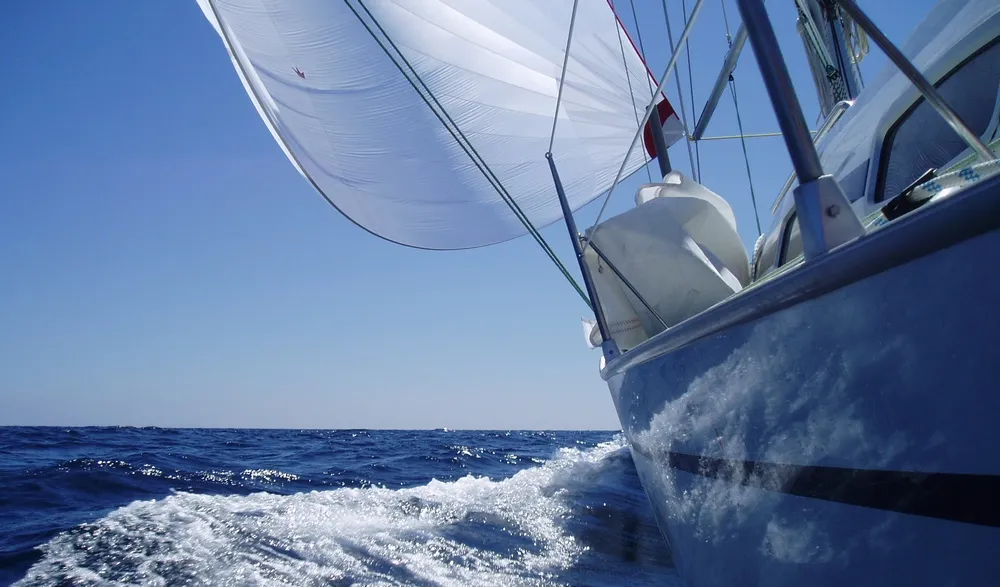
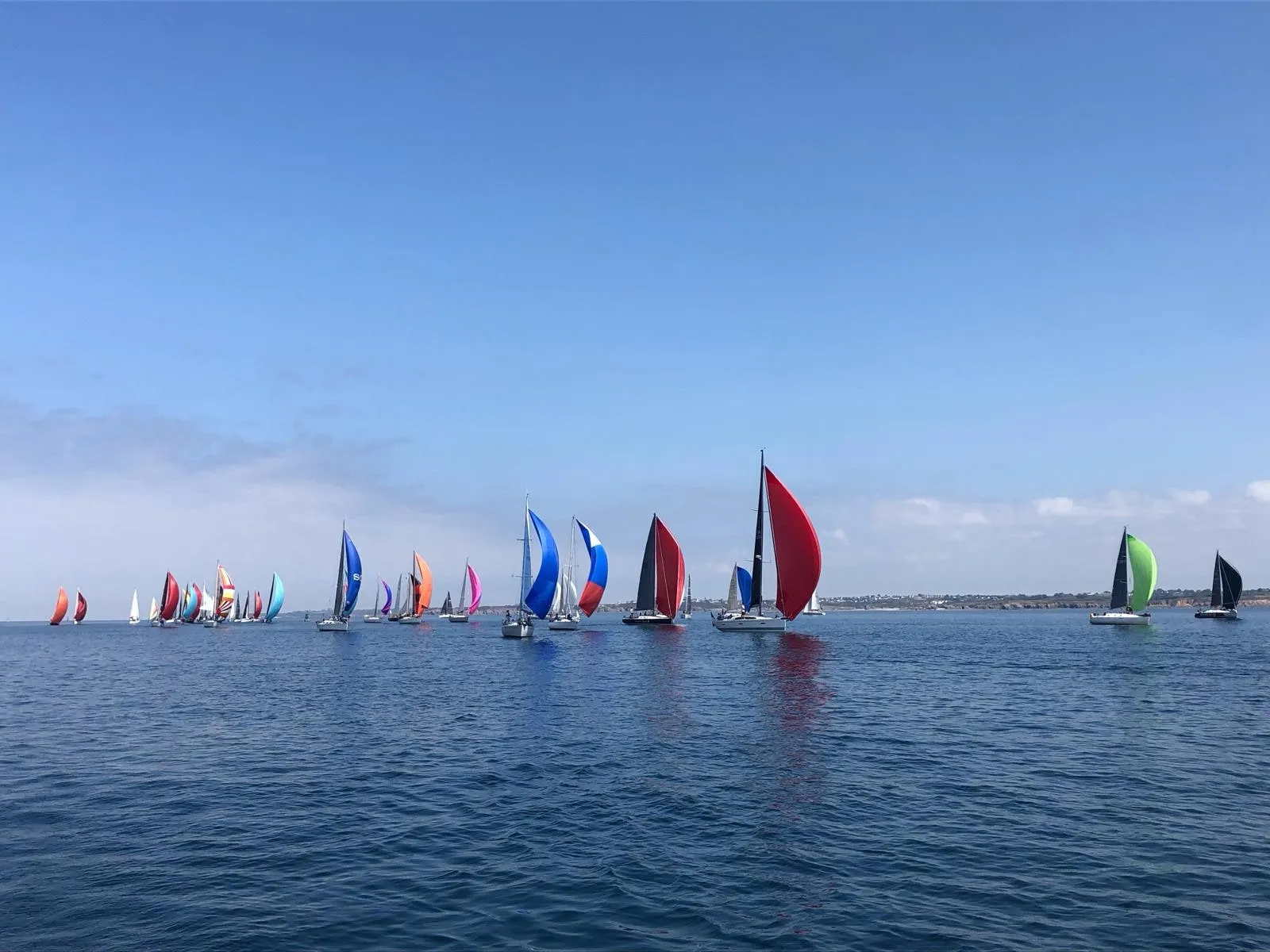
Offshore sailing means boundless blue all around you, nights at sea under the stars, passages of several days far from the coast. Beyond the adventure, it is a real school: you learn to deal with weather you sometimes cannot avoid, to organise watches, to look after the boat and the crew over time, and to sail fast and safely in all conditions. By the end of the course, you will be able to:
- stand a watch by day and by night, on the helm and on lookout;
- read and anticipate the weather on long passages, and choose your route;
- handle shipping traffic offshore (shipping lanes, fishing boats) with AIS;
- adapt the sail plan to strong conditions, safely;
- enjoy the passage to the full, at a pace that balances rest and pleasure.
The boats
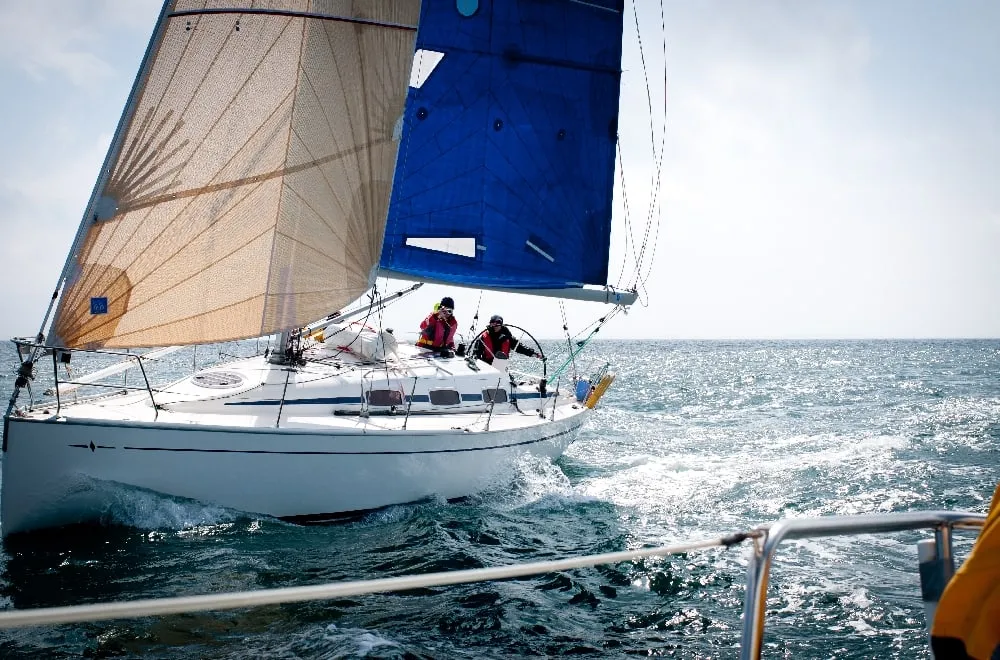
The courses take place on Orion, a Bavaria 38 Match (4 crew + skipper), and Perseus, a Bavaria 42 Match (5 crew + skipper). They are deep-keeled cruiser-racers (2.35 m and 2.45 m draught), stiff and excellent close-hauled, able to sail fast even when loaded — an essential quality offshore. They carry a full wardrobe of sails (fully battened mainsail, genoa, reefable solent, storm jib, spinnaker, code zero) and modern electronics for safety: EPIRB, AIS transmit/receive, Starlink internet connection to receive weather files, solar panel.
Duration and destinations
Offshore passages are usually offered as out-and-back trips over two-week periods: 600 to 900 miles for a 13-day course, with 3 to 4 days in hand to adapt to the weather. They can also be sailed “one way”, with time ashore at the destination.
- 2026 — the Azores: we sailed there — about 1,500 miles each way — and spent a week out there.
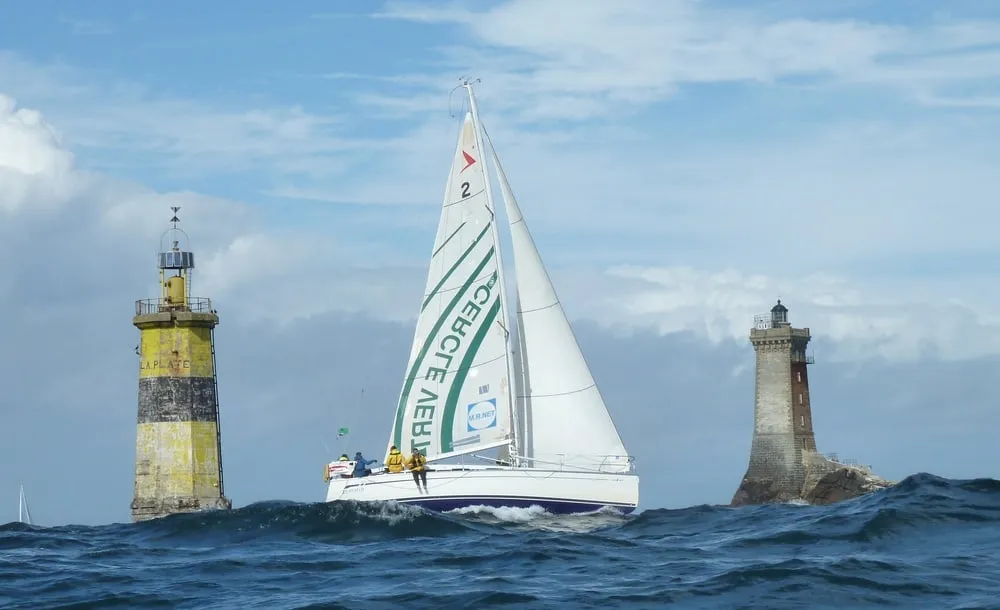
- 2027 — bound for Ireland: another fine project. On each 13-day course, a week on the west coast — and of course a salute to the legendary Fastnet lighthouse. The travel hub for getting there and back is Cork; our harbour in Ireland cannot be fixed in advance, but it will be easy to reach by public transport.
- In general, the destinations offered are the Isles of Scilly, Ireland, Spain and Portugal.
Depending on the weather and how fresh the crew is, passages are sailed non-stop (several days at sea) or with stopovers.
The main aspects of offshore sailing
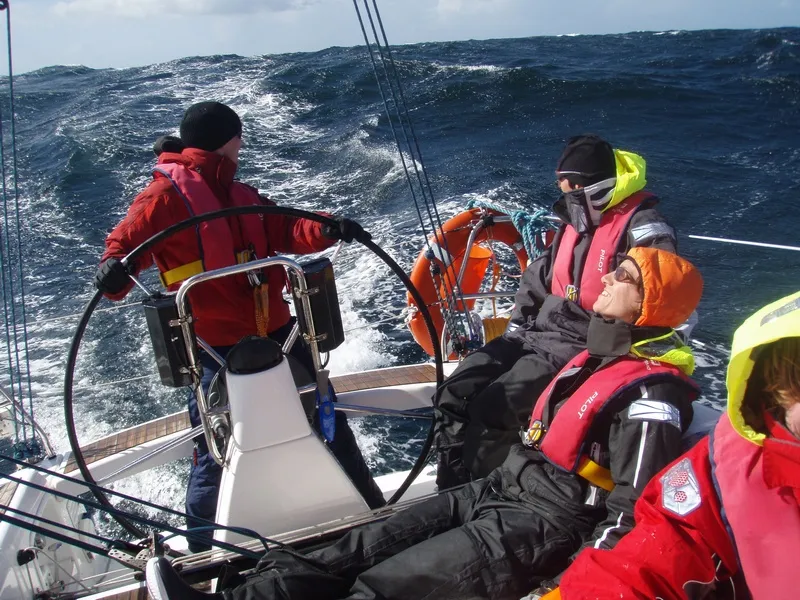
The weather. On passages of several days, you sometimes have to take the weather as it comes: you must be ready to face difficult conditions. The skipper does everything possible to avoid heavy weather by following the forecasts received via Starlink, and the boat’s speed often makes it possible to get into a more favourable position.
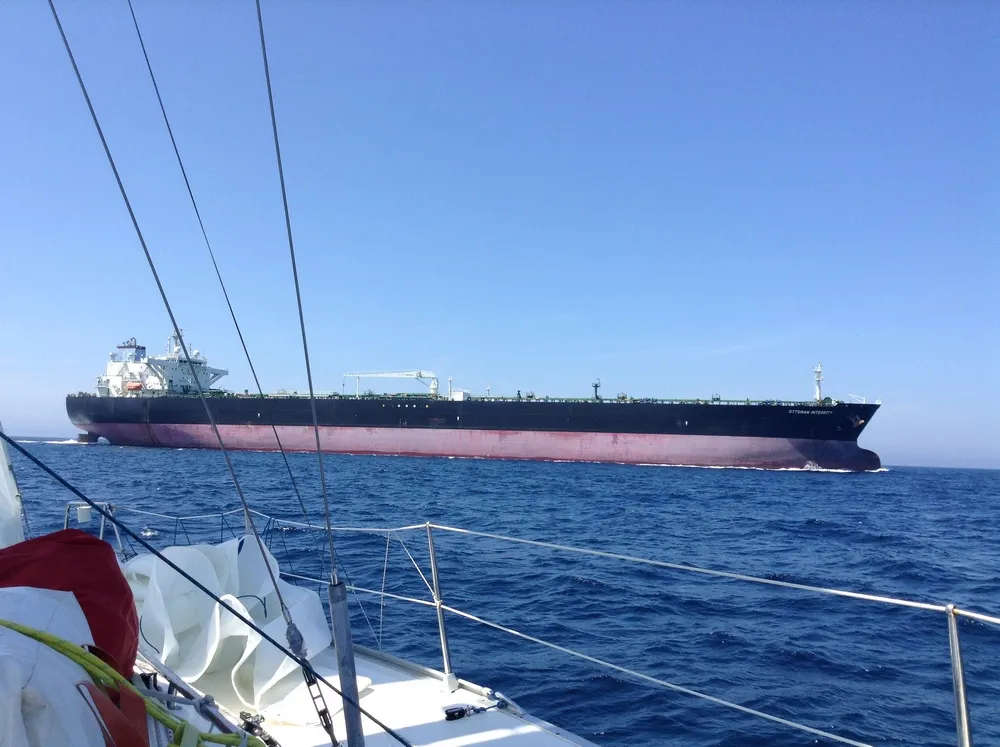
Shipping traffic. Offshore, you cross the “shipping lanes” and meet fishing boats. AIS gives all the useful information on the vessels around you and helps to assess, even in poor visibility, any risk of collision.
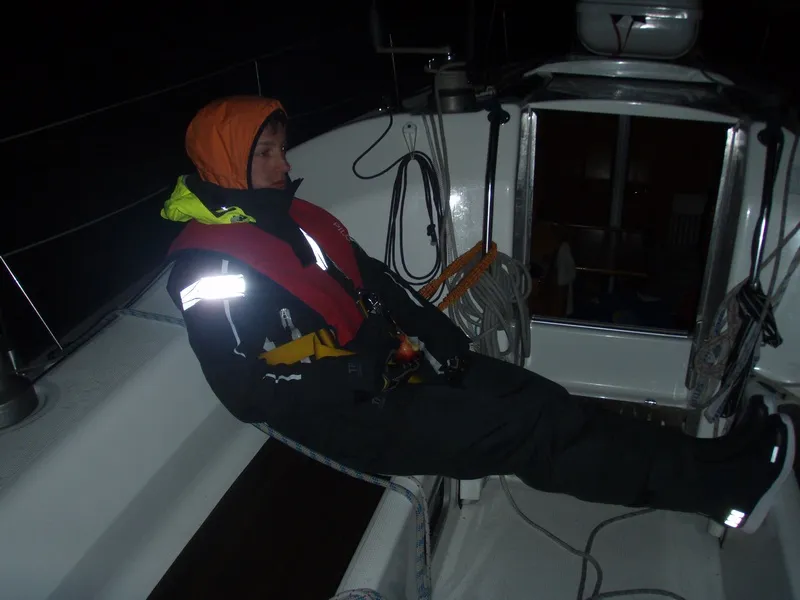
Safety. The safety equipment must be fully operational and within reach. The boats carry a Sarsat beacon with AIS. We always clip on for night watches; there are usually two people on watch, which is good both for safety and for the comfort of the helmsman. In these waters you are within helicopter range (150 to 250 miles), so a helicopter pick-up takes less than 6 hours. 600 miles offshore, halfway to the Azores, is another story.
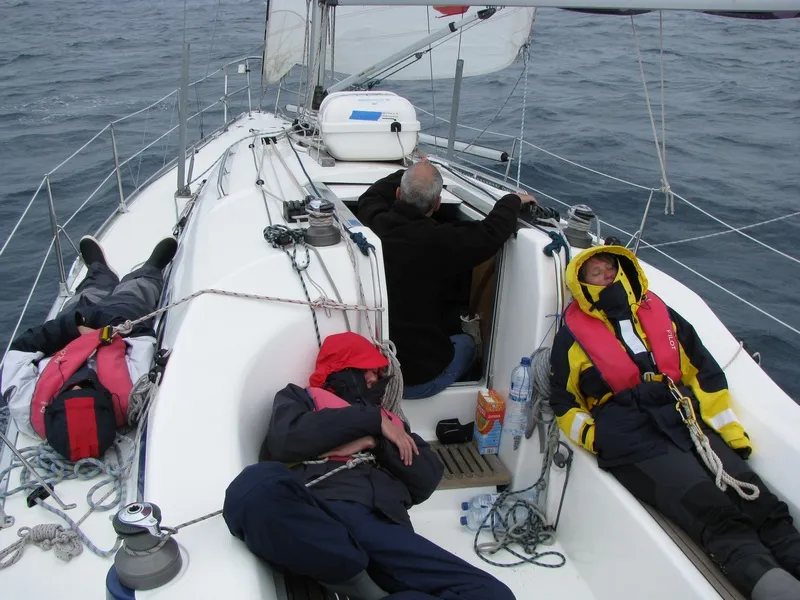
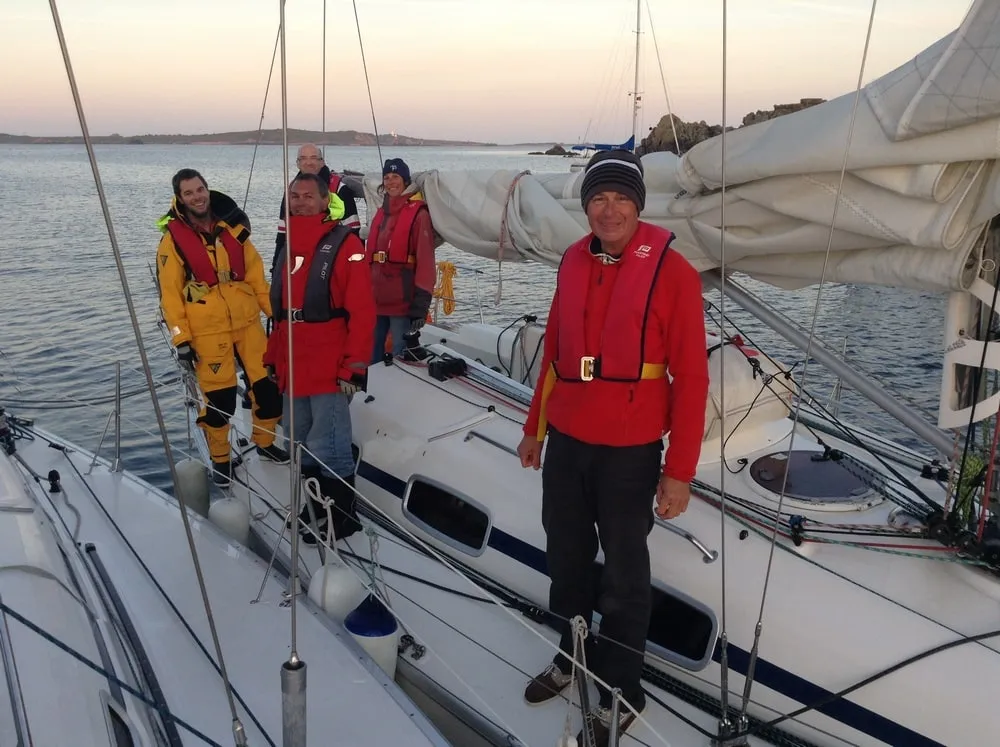
Life on board. The 38 Match and, even more so, the 42 Match are large enough, and the crew small enough, for everyone to be able to withdraw for a while. An offshore passage is also a strong, shared experience. Breakfast is often taken “in shifts”; but the evening meal, at least, is shared by the whole crew.
Required level
This course is for crew members who are already experienced and at ease in coastal cruising. No FFV licence (French Sailing Federation) is required. To take part, you should have good experience of the sea and a normal level of fitness; if in doubt, talk to the skipper.
What the price includes
The offshore passage costs 1,500 € for the two weeks. As with our other courses, the price includes accommodation on board, training and the skipper, third-party liability insurance and use of the yacht. Paid by the crew: harbour fees, diesel and gas, and food for the crew and the skipper.
Life offshore